How Long Should a Void Refurbishment Take? Void Turnaround Explained
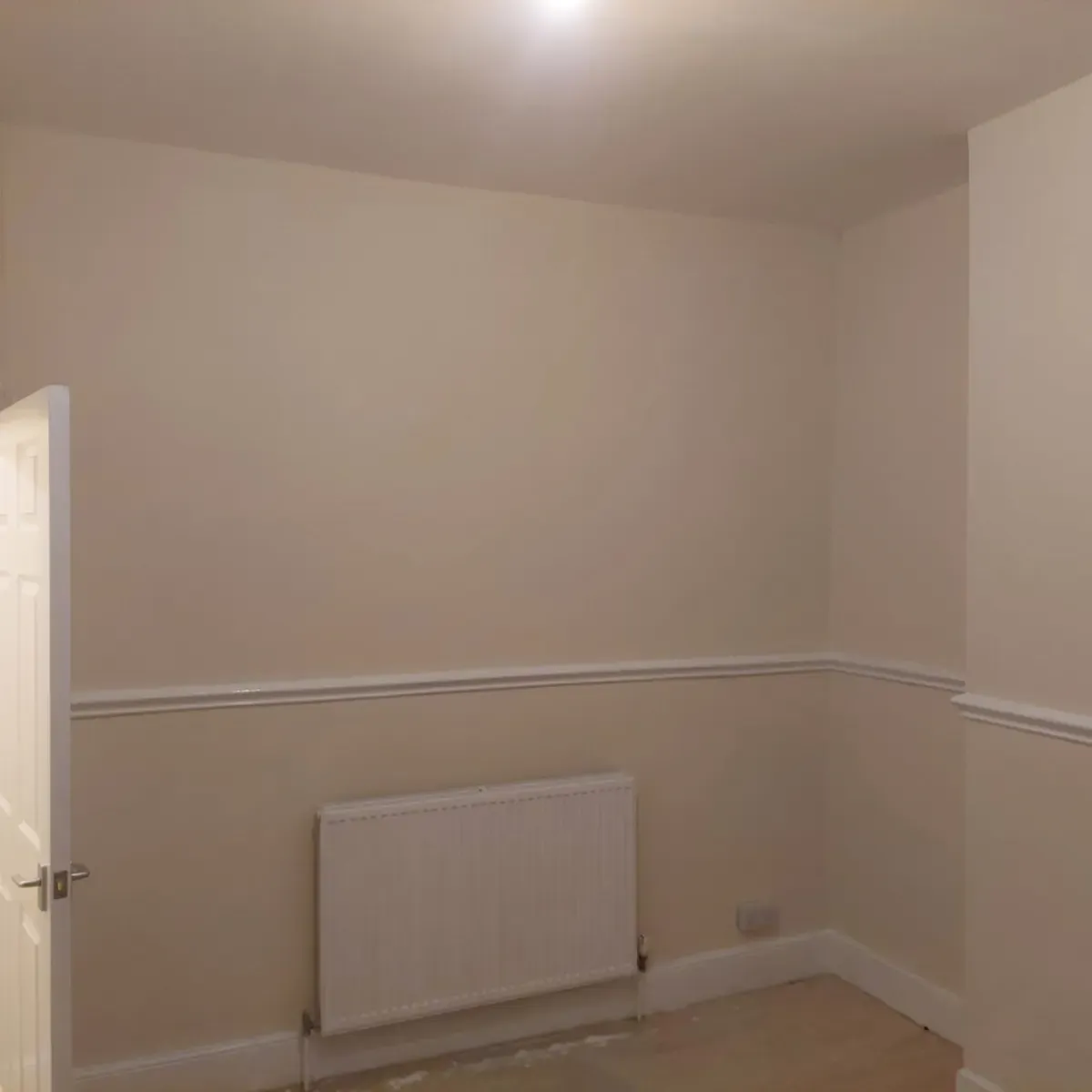
Typical timescales for minor and major void refurbishments, what the sector data says about relet times, and the practical steps that cut void turnaround.
As a working guide, the refurbishment works on a straightforward ("minor") void typically take around one to two weeks on site, while a major void — one needing a new kitchen or bathroom, rewiring or damp remediation — commonly takes three to six weeks. The full void period is longer than the works alone: official government lettings statistics put the median time an English social home sat vacant before relet at 30 days in 2024/25, while Housemark research published in February 2025 found the average relet time across all voids was 74 days, and around 50 days for standard voids needing no major repairs.
For housing providers, every one of those days is void loss — rent gone and a home standing empty while people wait for housing. This guide, from RS Construction and Property Services Ltd, a social housing contractor working with housing providers and local authorities across East London and London since 2010, explains what drives void timescales, what the sector data shows, and the practical steps that shorten turnaround.
What counts as a void refurbishment?
A void is a property that has become empty between tenancies, and a void refurbishment is the programme of works that returns it to the provider’s lettable standard — safe, clean, compliant and ready for a new tenant. Depending on how the property was left, that ranges from clearance, cleaning, safety checks and light decoration through to full strip-out, new kitchens and bathrooms, rewiring, replumbing and damp remediation.
How long do the works themselves take?
Every property is different, so honest timescales come from a pre-start inspection rather than a standard promise. That said, most providers and contractors plan around broad categories:
- Minor voids — clearance, deep clean, gas and electrical safety checks, decoration and small repairs: typically around one to two weeks of work.
- Standard voids — the above plus component repairs, part-replacements and more extensive decoration: typically two to three weeks.
- Major voids — kitchen and/or bathroom replacement, rewiring, replumbing, damp and mould remediation or floor replacement: typically three to six weeks.
- Exceptional voids — structural repairs, fire or flood damage, asbestos removal or full modernisation of a long-neglected home: programmed individually, often beyond six weeks.
The single biggest factor is the condition the property was left in at the end of the tenancy. Housemark’s February 2025 research notes that stretched tenancy-management teams have meant more properties handed back in poor condition, needing more extensive and expensive repairs before they can be relet.
What does the sector data say about relet times?
- Around 300,000 social housing properties became void in 2023/24, costing the sector up to £1.6 billion in repairs, lettings and lost rent — over £1.1 billion of it on void repairs (Housemark, February 2025).
- Average relet time across all voids was 74 days, and around 50 days for standard voids without major repairs — up from under 30 days five years earlier (Housemark).
- The official English lettings statistics for 2024/25 record a median of 30 days vacant before relet, a day longer than the previous year — the median sits well below Housemark’s average because a minority of long-running major voids pulls the average up.
The gap between those numbers is the real story: when a two-week works package sits inside a 50–74 day void period, most of the lost time is not construction. It is the handoffs around it.
Why do voids take longer than the works?
A void period runs from tenancy end to a new tenancy start, and the refurbishment is only one stage in that chain. Keys are returned, the property is inspected and scoped, works are ordered, utilities are sorted (capped gas supplies, meter resets, debt on prepayment meters), the works are done and certified, quality is checked, and the lettings team matches, offers and signs up a new tenant. Days leak at every handoff — a void that waits a week for a works order and another week for a viewing has lost two weeks without a trade ever being on site.
What slows a void refurbishment down?
- Condition surprises found after strip-out — hidden damp, failed wiring on test, or suspected asbestos that needs a survey before work can continue.
- Unclear or shifting specifications — works ordered item by item instead of against an agreed lettable standard.
- Fragmented delivery — separate contractors for clearance, gas, electrics, wet trades and decoration, each with their own lead time and sequencing dependency.
- Utility and meter issues — getting supplies uncapped, re-energised or cleared of a previous tenant’s meter debt.
- Waiting time either side of the works — slow works orders before, slow post-inspection and lettings after.
How do providers cut void turnaround?
- Agree a clear lettable standard and void categories with the contractor up front, so every void is scoped against the same specification with a target duration per category.
- Inspect before the tenancy ends where possible, so the scope, materials and any specialist surveys are lined up before the keys come back.
- Use one multi-trade contractor for the works, so gas, electrics, wet trades, carpentry and decoration are sequenced by one team instead of queued across several.
- Deal with compliance in the void — gas safety record, EICR and any outstanding Decent Homes items — so the home is relet safe and certified, not revisited mid-tenancy.
- Measure the whole void period, not just the works: days-to-works-order, days on site and days-to-let each show where the time is actually going.
Key takeaways
- Works timescales are category-driven: roughly one to two weeks for a minor void, two to three for a standard void, three to six for a major void, and longer for exceptional cases.
- The sector average relet time is far longer than the works — 74 days across all voids and around 50 for standard voids (Housemark, February 2025), against an official English median of 30 days in 2024/25.
- Around 300,000 homes became void in 2023/24 at a cost of up to £1.6 billion, so every day of turnaround saved is measurable money.
- Most lost time sits in handoffs — works orders, utilities, inspections and lettings — not on the tools.
- A clear lettable standard, early scoping and a single multi-trade contractor are the most reliable ways to shorten the void period.
What is the difference between a minor and a major void?
A minor void needs cleaning, clearance, safety checks, decoration and small repairs before relet — typically around one to two weeks of work. A major void needs significant component replacement or remediation, such as a new kitchen or bathroom, rewiring or damp treatment, and typically takes three to six weeks. Providers usually define the categories, and target durations for each, in their void standard.
How much does a void property cost a housing provider?
The visible cost is void loss — rent not collected while the home is empty — plus the refurbishment itself and lettings costs. Housemark’s February 2025 research put the sector-wide bill at up to £1.6 billion for 2023/24, including over £1.1 billion on void repairs and around £220 million on letting activity. Council tax liability on empty homes and security for longer-term voids add to the total.
Should kitchens and bathrooms be replaced during a void?
Where a component is due for replacement, a void is usually the best moment to do it: the work is faster, cheaper and safer in an empty property, and the incoming tenant is spared weeks of intrusive work later. The trade-off is a longer void period, so providers weigh the extra days empty against the cost and disruption of doing the same work around a tenant mid-tenancy.
What should a contractor hand back with a completed void?
A completed void should come back with the certification that proves it is safe and compliant: a gas safety record for any gas work, an electrical certificate or EICR for the installation, and documentation for any specialist works such as asbestos removal or damp remediation. That evidence protects the provider and the incoming tenant, and avoids compliance visits shortly after the home is relet.
How RS Construction supports void programmes
RS Construction and Property Services Ltd has delivered void refurbishments for housing providers and local authorities across East London and London since 2010 — from minor works packages to full major-void renovations covering kitchens, bathrooms, electrics, gas, plumbing and damp remediation. We work through a directly employed, multi-trade workforce, so voids are sequenced by one accountable team, with Gas Safe and NICEIC registered engineers certifying the compliance works before handback. If void turnaround is on your agenda, our team is happy to talk through your standard, categories and programme.
Related
Planning a project across East London or London?
Get a free estimate