Choosing a Social Housing Contractor: Void Refurbishment & Compliance Explained
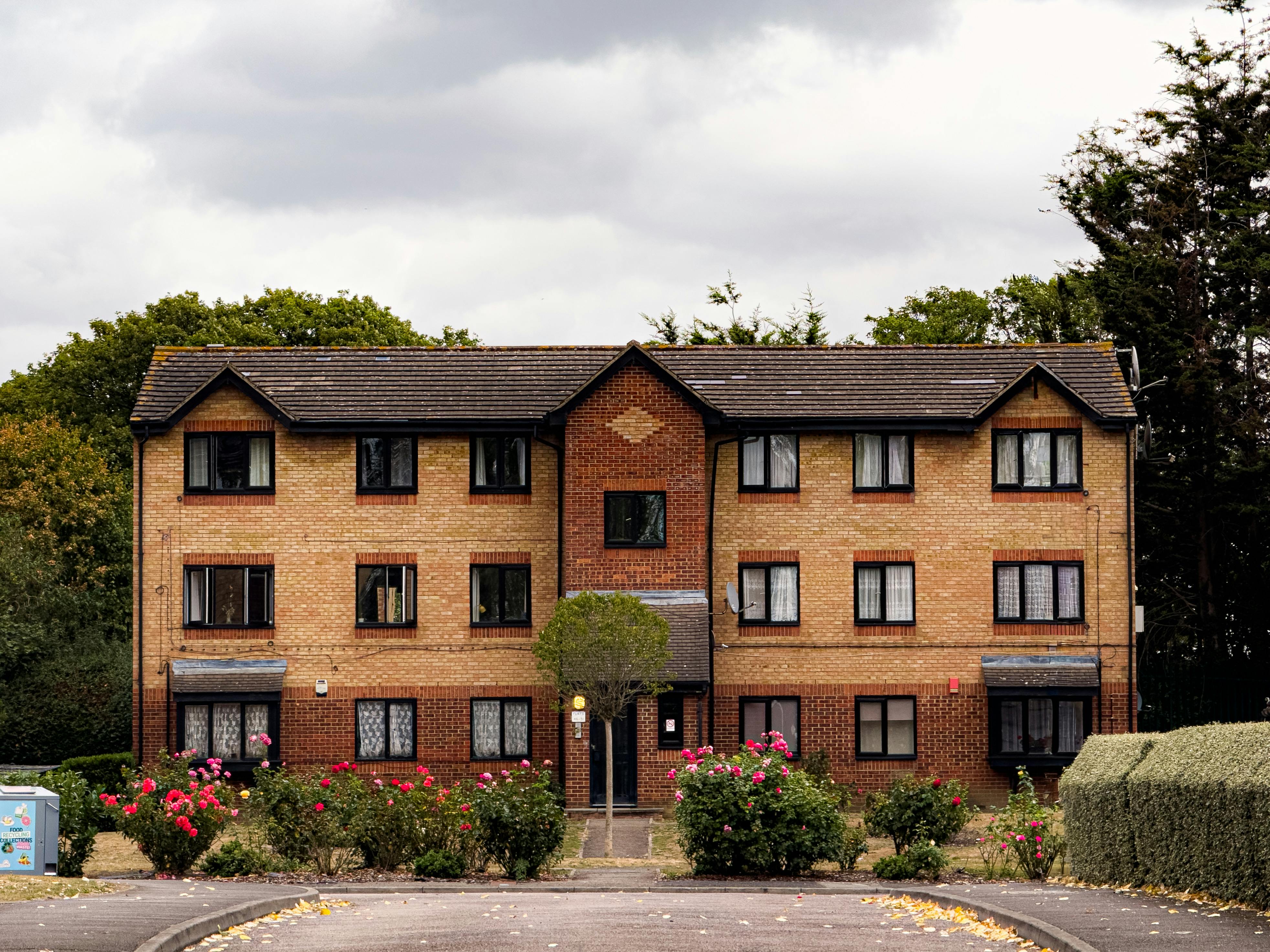
What housing providers and local authorities should look for in a social housing contractor — from void turnaround and compliance to directly employed teams.
For housing providers and local authorities, the contractor you choose has a direct impact on tenant satisfaction, void loss and compliance risk. Social housing work is rarely a single, tidy project — it is a continuous programme of void refurbishments, planned maintenance and reactive repairs delivered across occupied homes. This guide explains what to look for when appointing a social housing contractor, with a focus on void turnaround and compliance.
What is a void refurbishment?
A void is a property that has become empty between tenancies. A void refurbishment is the programme of works that brings that property back to a safe, lettable standard before a new tenant moves in. Depending on the condition of the home, this can range from a light refresh — cleaning, decoration and minor repairs — to a full strip-out and renovation covering kitchens, bathrooms, electrics, gas and plumbing.
Void loss (rent lost while a property sits empty) is one of the clearest costs a housing provider can measure, so fast, reliable void turnaround is usually the first thing to assess in a contractor. A contractor who can mobilise quickly, work to a clear specification and hand back a compliant property reduces both void loss and the risk of repeat visits.
Key things to look for in a contractor
- Relevant accreditations — CHAS, Constructionline, SafeContractor and SSIP demonstrate vetted health, safety and competence credentials.
- A directly employed, multi-trade workforce, which gives better control over quality, programme certainty and health and safety than a chain of subcontractors.
- Certified trades where it matters: Gas Safe registered gas works and NICEIC registered electrical works.
- Experience working in occupied and tenanted environments, with respectful, DBS-checked operatives.
- The ability to act as principal contractor under the CDM Regulations 2015 for larger schemes.
Compliance is not optional
Social housing carries specific compliance obligations, and a void is often the best opportunity to address them before re-letting. Gas safety, electrical condition (EICR), fire safety and damp and mould all need to be considered. A good contractor will not simply decorate over a problem — they will flag and resolve underlying issues and provide the certification that proves the work was done correctly. Keeping that documentation in order protects both the provider and the incoming tenant.
Planned and reactive maintenance
Beyond voids, most providers need a partner for both planned (programmed) maintenance and day-to-day reactive repairs. Planned maintenance keeps stock in good condition and spreads cost predictably; reactive repairs keep tenants safe and satisfied between programmes. A contractor who can deliver both gives you a single, accountable point of contact rather than a fragmented supply chain.
How RS Construction works with housing providers
RS Construction and Property Services Ltd has supported housing providers and local authorities since 2010, delivering void refurbishments, planned maintenance, reactive repairs and principal contractor services across East London and London. We work primarily through a directly employed, multi-trade workforce and hold the accreditations social housing clients expect. If you are reviewing your contractor arrangements, our team is happy to discuss how we can support your stock.
Planning a project across East London or London?
Get a free estimate