Damp and Mould in Social Housing: Landlord Duties and Awaab’s Law Explained
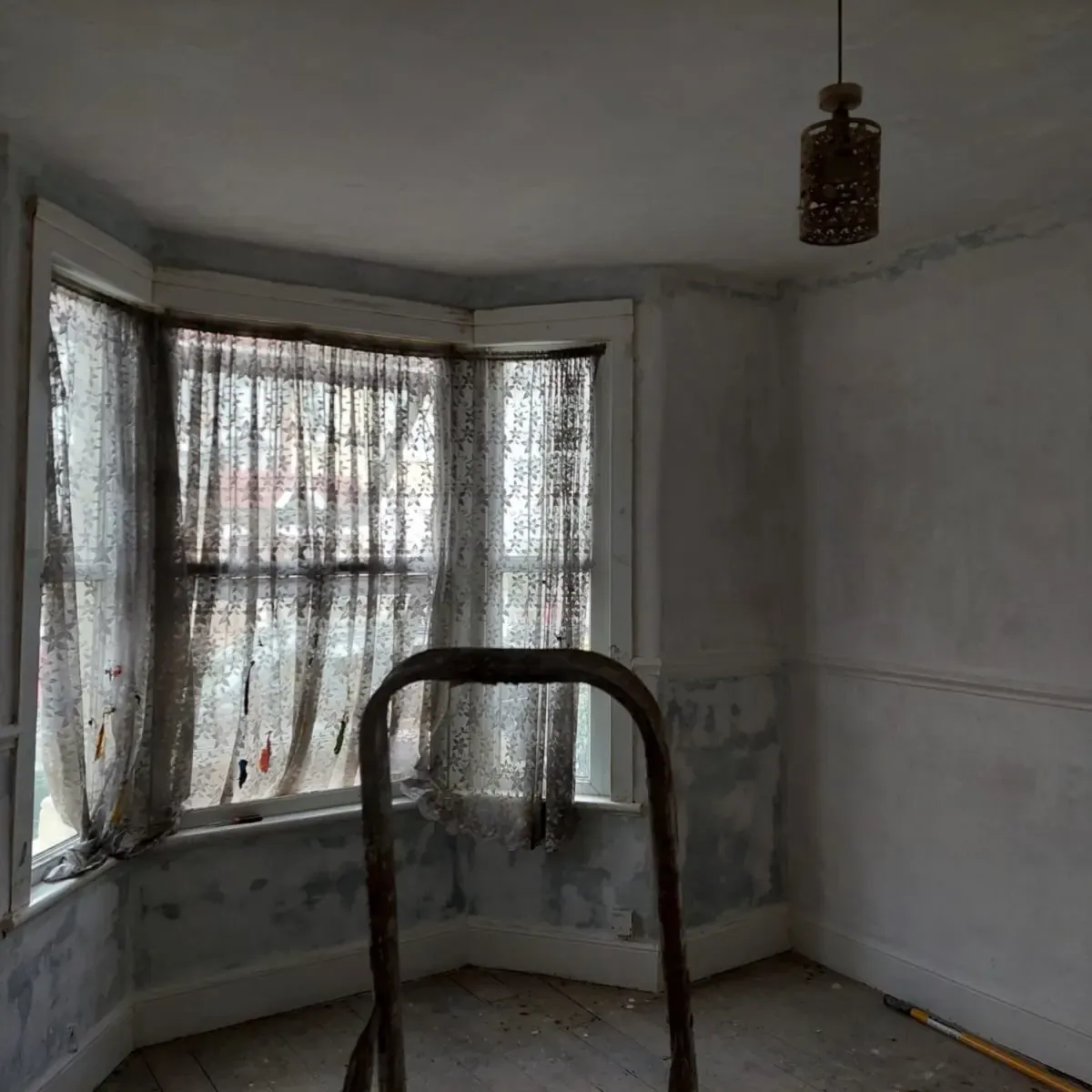
What causes damp and mould, why painting over it never works, and what Awaab’s Law means for the duties of social landlords and housing providers.
Damp and mould are among the most common — and most serious — issues in social housing. Left unaddressed, they damage the fabric of a home and put tenants’ health at risk, particularly for children, older people and anyone with a respiratory condition. Following the coroner’s findings in the death of two-year-old Awaab Ishak, damp and mould have moved to the top of the compliance agenda for every housing provider and local authority. This guide explains what causes damp and mould, what Awaab’s Law requires, and how to fix the problem at its source rather than covering it up.
What is Awaab’s Law?
Awaab’s Law is the popular name for provisions introduced under the Social Housing (Regulation) Act 2023. It requires social landlords in England to investigate and fix reported hazards such as damp and mould within strict, legally defined timescales, rather than leaving them unresolved. In practice it means providers must respond quickly to a report, investigate the cause, and carry out remedial works within a set period — with emergency hazards addressed fastest of all. The clear message is that damp and mould can no longer be treated as a cosmetic or tenant-lifestyle issue; they are a safety matter with legal deadlines attached.
What causes damp and mould?
Effective remediation starts with an accurate diagnosis, because the three main types of damp have completely different fixes:
- Penetrating damp — water getting in from outside through defective roofs, gutters, brickwork, pointing or window seals.
- Rising damp — ground moisture travelling up through walls where a damp-proof course is missing, bridged or failed.
- Condensation — warm, moist indoor air meeting cold surfaces, often worsened by poor ventilation, cold spots and inadequate heating. This is the most common cause of mould in homes.
Why decorating over mould never works
Wiping mould away and painting over it — even with anti-mould paint — treats the symptom, not the cause. If the underlying moisture source remains, the mould will return, usually within weeks. Lasting remediation means identifying why the surface is wet in the first place: repairing the source of penetrating or rising damp, or, for condensation, improving ventilation, insulation and heating so that moisture-laden air can escape and cold surfaces are reduced. Only once the cause is resolved is it worth treating affected surfaces and redecorating.
How a contractor diagnoses and fixes it
- Survey the property to establish the type and source of damp using moisture readings and a visual inspection inside and out.
- Repair the root cause — for example roof or gutter repairs, repointing, a new damp-proof course, or extractor fans and background ventilation for condensation.
- Improve the thermal performance where cold bridging is driving condensation, such as insulation upgrades.
- Treat affected surfaces, remove contaminated materials safely, and redecorate with breathable, mould-resistant finishes.
- Record the works and provide documentation, so the provider has evidence the hazard was investigated and resolved within the required timescale.
Landlord and housing provider responsibilities
Under Awaab’s Law and the wider fitness-for-human-habitation duties, social landlords are responsible for keeping homes free of serious hazards, responding promptly to reports, and keeping tenants informed throughout. That is far easier with a maintenance partner who can mobilise quickly, diagnose accurately and evidence the work. A contractor who guesses — or simply repaints — exposes the provider to repeat complaints, escalation and regulatory risk.
How RS Construction helps housing providers
RS Construction and Property Services Ltd delivers void refurbishments, planned maintenance and reactive repairs for housing providers and local authorities across East London and London, including damp and mould diagnosis and remediation. We work through a directly employed, multi-trade workforce, so we can survey the cause, carry out the building, roofing, ventilation and decoration works, and hand back a properly resolved property with the documentation to prove it. If damp and mould are on your risk register, our team is ready to help.
Planning a project across East London or London?
Get a free estimate