Planned vs Reactive Maintenance: What’s the Difference and Which Do You Need?
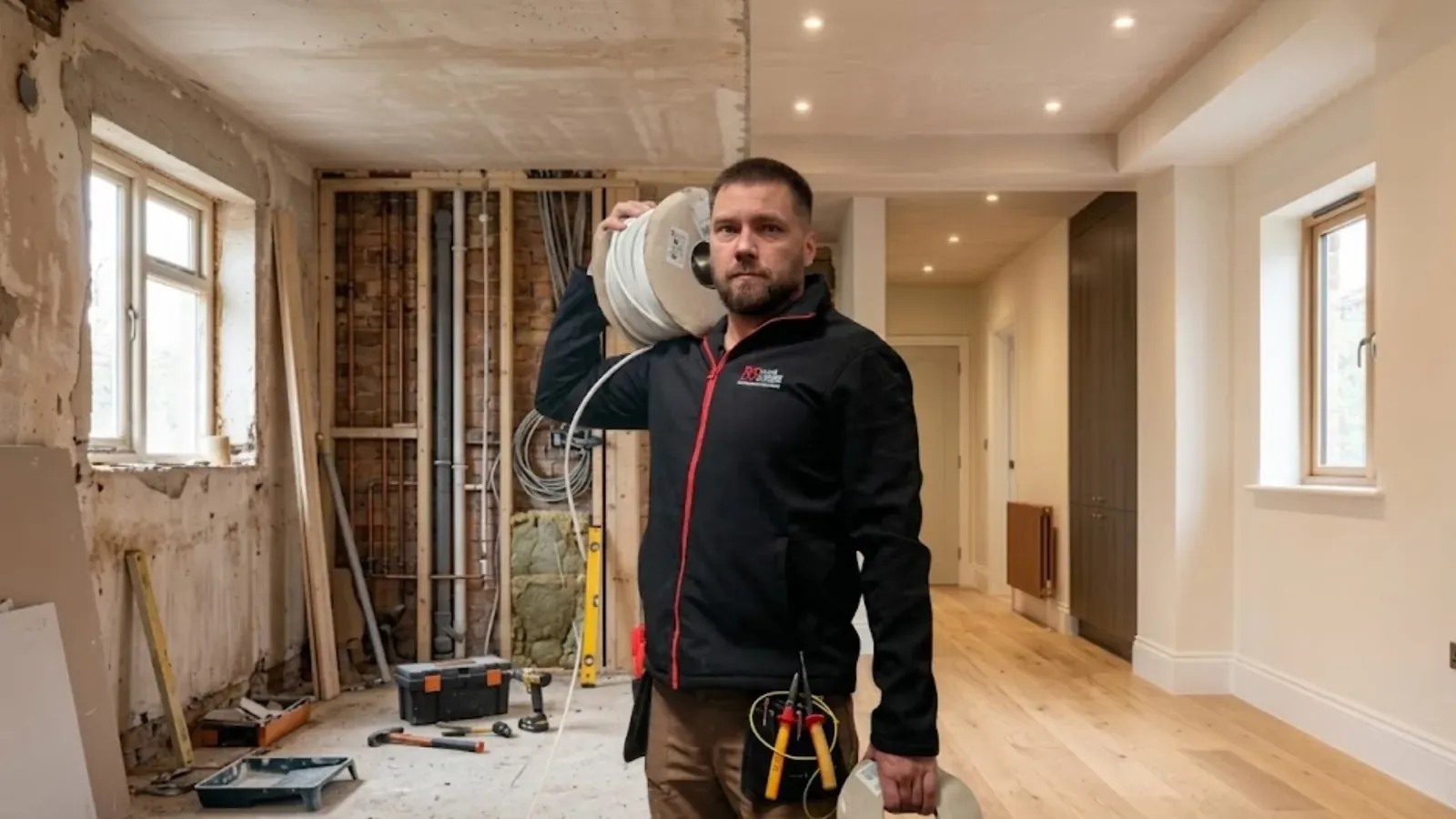
The difference between planned (preventative) and reactive (responsive) property maintenance, the pros and cons of each, and why most portfolios need a blend of the two.
Anyone responsible for a building — a housing provider, landlord, school or commercial property owner — has to decide how to look after it. Broadly, property maintenance falls into two categories: planned and reactive. Understanding the difference helps you control costs, reduce disruption and keep buildings safe and compliant. This guide explains both, and why the right answer is usually a combination of the two.
What is planned (preventative) maintenance?
Planned maintenance is programmed, scheduled work carried out to keep a building in good condition and prevent problems before they occur. It includes routine servicing, inspections, cyclical decoration, and the timely replacement of components such as roofs, boilers, kitchens and bathrooms before they fail. Because it is scheduled in advance, planned maintenance spreads cost predictably and extends the life of the building fabric.
What is reactive maintenance?
Reactive maintenance is responsive work — repairs carried out after something breaks or is reported, such as a leak, a heating failure or storm damage. It is unavoidable: no amount of planning eliminates every fault. The key to good reactive maintenance is response time and reliability, because delays affect safety, tenant satisfaction and, often, the scale of the eventual repair.
The key differences
- Timing — planned maintenance is scheduled ahead; reactive maintenance responds to faults as they arise.
- Cost — planned work is budgeted and predictable; reactive work is harder to forecast and often more expensive per job.
- Disruption — planned work can be timed to suit occupants; reactive work interrupts, sometimes urgently.
- Risk — a strong planned programme reduces the volume and severity of reactive callouts over time.
Why a mix of both is usually best
Relying only on reactive maintenance means constantly firefighting, with higher long-term costs and more disruption. Relying only on planned maintenance is impossible, because emergencies still happen. The most cost-effective approach combines a solid planned programme — which steadily reduces failures — with a dependable reactive service for the issues that inevitably arise between programmes.
Choosing a single maintenance partner
A contractor who delivers both planned and reactive maintenance gives you one accountable point of contact instead of a fragmented supply chain. RS Construction and Property Services Ltd provides planned maintenance, reactive repairs and multi-trade property services for housing providers, commercial clients and property owners across East London and London. If you are reviewing how your buildings are maintained, our team is happy to help you find the right balance.
Planning a project across East London or London?
Get a free estimate